Why is cartilage repair still so hard, and what will it take to catch knee osteoarthritis before the damage is done? Two members of the CircBioCare consortium tackle these questions in a new interview series from the Smart BioMaterials Center (SBMC) in the Netherlands.
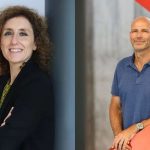
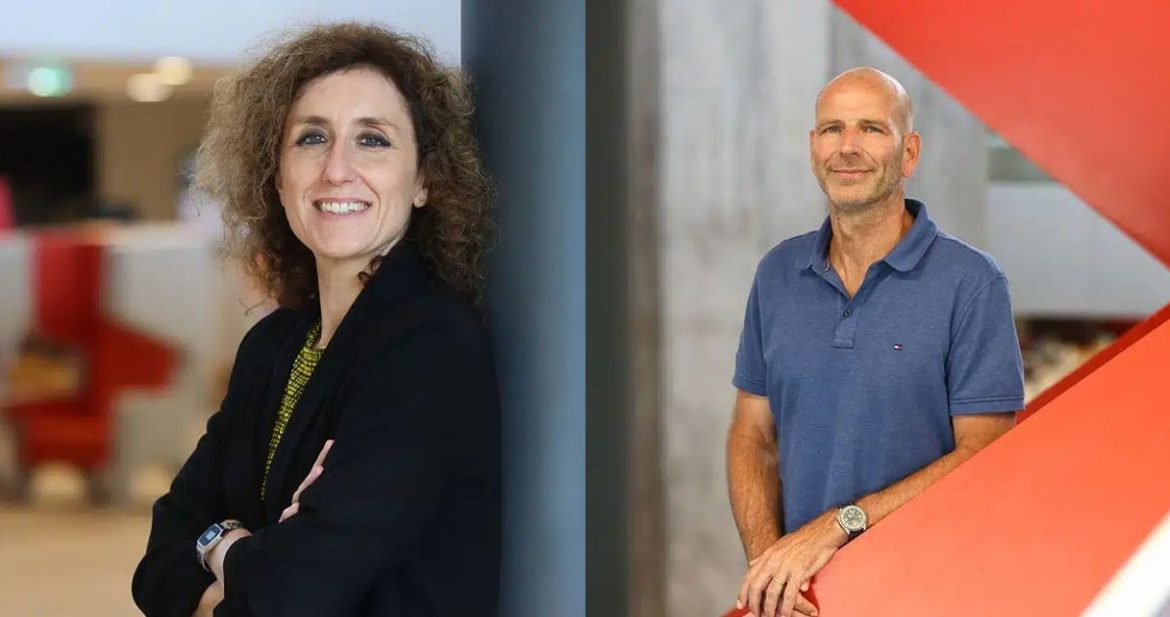
The series, Rethinking Bone and Cartilage Repair, was published on 1 September 2026 and grew out of SBMC’s Great Small Talk Show. It looks at the field from three angles: research, clinical practice and innovation. The first two parts feature our project coordinator, Dr Berta Cillero-Pastor (MERLN Institute, Maastricht University), and orthopaedic surgeon Dr Pieter Emans (Maastricht UMC+).
Their answers come from different perspectives, yet they arrive at the same place: osteoarthritis is not one disease in one tissue, and patients are not all the same.
Look beyond cartilage and understand the joint as a whole
Dr Cillero-Pastor (MERLN Institute, Maastricht University) explains why cartilage is so hard to regenerate: in a joint with osteoarthritis, the synovium, Hoffa’s fat pad, immune cells and mechanical load all interact. Patients differ too, from people with metabolic syndrome to young athletes, so one treatment will not fit all. She describes how spatial omics reveals which cells respond and where, and why standardised, reproducible methods are needed to reach the clinic.
From innovation to trust
Dr Emans (orthopaedic surgeon, Maastricht UMC+) notes that, unlike cardiology, orthopaedics has no early warning signal, so care often comes too late. He explains that before a new therapy reaches patients, it must be backed by evidence, be practical, and come with a clear idea of who will benefit most. He also stresses that long-term patient data could show why some people develop osteoarthritis and others do not, opening the door to personalised care.
From the perspectives of research and clinical practice, both interviews point to the same priorities in knee osteoarthritis: considering the joint as a whole, accounting for differences between patients, and intervening at an earlier stage. These priorities are also some of the main objectives of CircBioCare.
You can read the full interviews here:
- Rethinking bone and cartilage repair, part 1: Dr Berta Cillero-Pastor
- Rethinking bone and cartilage repair, part 2: Dr Pieter Emans
We thank the Smart BioMaterials Center for featuring CircBioCare consortium members in this series. Follow CircBioCare for more news on early osteoarthritis detection, biomarkers and personalised care.